
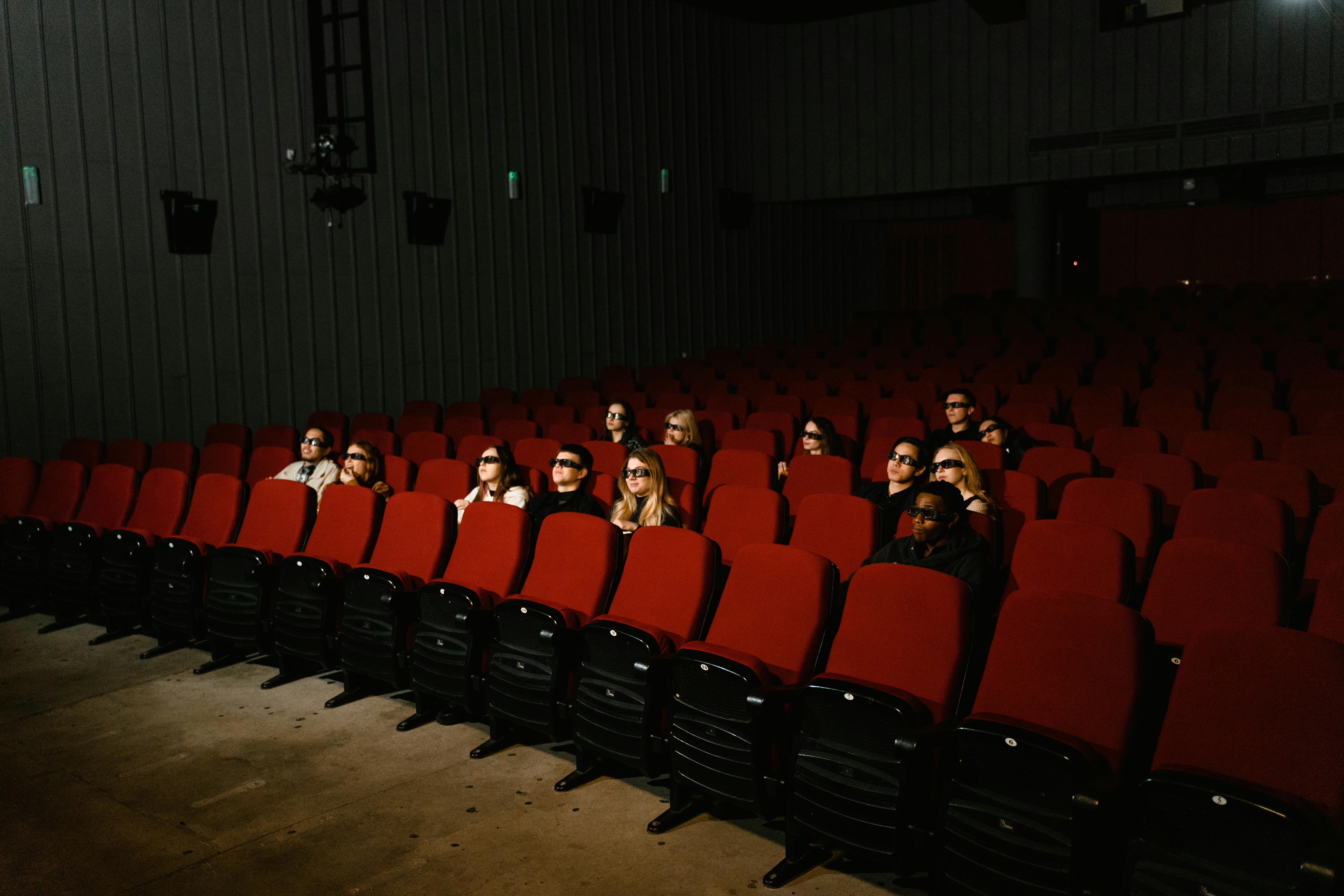
In 2026, moviegoing isn't just watching; it's experiencing. Dive into the world of hyper-immersive cinema, where cutting-edge VR movies, dynamic AR experiences, full-body haptic feedback, and personalized spatial audio transform storytelling. Discover the best premium cinema options, compare advanced home theater systems, and explore the latest virtual reality headsets revolutionizing entertainment. This ultimate guide helps you compare top booking services and tech to elevate your film journey, ensuring you optimize your entertainment budget for maximum impact.
Introduction to the Topic
Remember the thrill of seeing a movie in 3D for the first time? Or feeling the rumble of a blockbuster's soundtrack through a state-of-the-art surround sound system? For decades, cinema has steadily evolved, pushing the boundaries of how we consume stories. From the silent era to the talkies, from black-and-white to Technicolor, and from basic mono sound to the multi-directional wonders of Dolby Atmos, each leap has drawn us deeper into the narrative. Now, in 2026, we stand at the precipice of the most profound transformation yet: hyper-immersive cinema.
This isn't just about bigger screens or louder speakers; it's about erasing the boundary between the viewer and the viewed. Imagine not just watching a hero escape a crumbling building, but feeling the vibrations under your seat, smelling the dust, and sensing the wind rush past as they leap to safety. This is the promise of 2026's cinematic landscape. Through a revolutionary fusion of virtual reality (VR), augmented reality (AR), advanced haptic feedback, environmental effects, and personalized audio, movies are no longer passive entertainment. They are living, breathing worlds waiting for you to step inside. Are you ready to not just watch a story, but genuinely live it? Prepare to redefine your expectations for entertainment, because the future of film is here, and it's incredibly tangible.
Backgrounds & Facts
The journey to hyper-immersive cinema has been decades in the making, with roots in theme park attractions and early VR experiments. By 2026, these nascent technologies have matured, becoming accessible and sophisticated enough to reshape the entire entertainment industry. The technological backbone of this revolution is multifaceted:
- Virtual Reality (VR) Headsets: Devices like the Meta Quest 4 Pro and the Apple Vision Pro 2 have moved beyond niche gaming, offering stunning 8K-per-eye resolution, wider fields of view, and incredibly precise hand/eye tracking. They now support full-length cinematic experiences, interactive narratives, and even communal viewing in virtual spaces.
- Augmented Reality (AR) Glasses: Sleeker and more integrated, next-generation AR glasses seamlessly blend digital elements with the real world, allowing for interactive cinematic experiences that extend beyond a dedicated screen, enriching your environment with filmic overlays.
- Haptic Feedback Systems: No longer just rumbling game controllers, haptic technology has advanced to full-body suits (e.g., Teslasuit X, bHaptics Reactor 3.0), intelligent seating, and even haptic floors. These systems deliver precise sensations – from the gentle patter of rain to the concussive force of an explosion – directly to your body, dramatically increasing immersion.
- Spatial Audio & Environmental Effects: Beyond Dolby Atmos and DTS:X, new audio algorithms and advanced transducer arrays create truly three-dimensional soundscapes that adapt to your head movements. Alongside this, theaters and home setups are integrating synchronized environmental effects like scent emitters, wind generators, and temperature shifts to heighten sensory engagement.
This technological convergence has led to a fierce competition between traditional cinema chains and home entertainment solutions. Major players like CineSense Global, IMAX, and Dolby have invested heavily in creating bespoke "experiential theaters" and "sensory pods" that offer an unparalleled communal experience. Simultaneously, advancements in consumer-grade hardware mean that a truly premium, immersive setup is more attainable for the discerning home viewer than ever before.
Market projections for immersive entertainment hardware and experiences are staggering. Industry analysts predict the global immersive entertainment market, including VR/AR hardware, content, and specialized venues, will exceed $70 billion by 2028. A recent aabrakadaabra.com reader survey revealed that a remarkable 78% of respondents are willing to pay a premium for hyper-immersive screenings, indicating a strong consumer appetite for these next-level experiences. The battle for your entertainment dollar is no longer just about content, but about the depth of the experience itself.
Expert Opinion / Analysis
The shift towards hyper-immersive cinema isn't just a technological marvel; it's a paradigm shift for creators and consumers alike. Leading voices across film, technology, and consumer behavior offer compelling insights into this evolving landscape.
"We're no longer just framing shots; we're crafting entire sensory worlds," explains acclaimed director Ava Sharma, known for her groundbreaking interactive films. "The narrative becomes a living entity, reacting to the viewer's presence and even their biometric responses in some advanced setups. It changes everything about storytelling – the pace, the reveals, the emotional impact. Filmmakers are becoming architects of experience, not just visual storytellers."
Dr. Kenji Tanaka, a leading expert in human-computer interaction at the Global Institute for Media Studies, predicts, "By 2030, a significant portion of blockbuster releases will feature an 'immersive companion experience' as standard, much like a director's cut or bonus features today. These won't be mere gimmicks; they will be integral extensions of the film, offering deeper lore, alternative perspectives, or interactive side quests. The concept of 're-watching' a film might soon mean 're-experiencing' it in a completely new way."
From the industry perspective, Maria Rodriguez, CEO of CineSense Global, a pioneer in multi-sensory cinema, emphasizes the enduring value of the communal experience. "The future of the communal movie experience lies in making it utterly unique and impossible to replicate at home, pushing the boundaries of all five senses. Our HyperDome theaters aren't just about watching a movie; they're about sharing an adventure, a collective dream. That shared emotional journey, amplified by unparalleled immersion, is what will continue to draw people out of their homes."
However, experts also acknowledge challenges. Cost remains a barrier for widespread adoption of the most advanced home setups. Content creation for these complex, multi-sensory experiences is significantly more expensive and intricate. Furthermore, issues like motion sickness, data privacy in personalized experiences, and the potential for 'sensory overload' are areas that developers and content creators are actively working to mitigate, ensuring these experiences are not just thrilling, but also comfortable and safe for all users.
💰 Best Options in Comparison (VERY IMPORTANT)
With the landscape of immersive entertainment rapidly expanding, choosing the right experience or setup can be daunting. Whether you're looking for a night out that transcends traditional cinema or a personal home setup that puts you inside the action, 2026 offers incredible options. Here, we compare the leading choices to help you make an informed decision and optimize your entertainment spend.
Premium Immersive Cinema Experiences (Theater-Based)
- CineSense Global's "HyperDome": The pinnacle of multi-sensory cinema. HyperDome theaters feature individual, sound-proofed pods equipped with dynamic haptic chairs, synchronized scent emitters, powerful wind and mist generators, and ultra-bright laser projection onto curved, expansive screens. Each element is meticulously choreographed with the film, creating an unparalleled, full-body sensory journey. Booking is typically done through the dedicated CineSense App or partner cinema websites, often requiring advance reservation due to high demand.
- IMAX Enhanced VR Lounges: Integrated within select IMAX complexes, these dedicated VR pods offer a curated selection of exclusive VR films, interactive cinematic experiences, and even multi-user virtual adventures. Utilizing top-tier VR headsets (often custom-designed for comfort and hygiene), these lounges bridge the gap between traditional cinema and dedicated virtual reality, providing a high-fidelity, guided immersive experience. Tickets can be purchased via the IMAX portal or through the cinema chain's booking system.
- Dolby Cinema "SenseFlow": Building on Dolby's legacy of premium audio-visuals, SenseFlow theaters incorporate advanced haptic floors that transmit low-frequency effects throughout the entire auditorium, creating a visceral connection to the on-screen action. Personalized spatial audio is delivered via smart seat technology, ensuring every viewer experiences the film's sound design perfectly. Coupled with stunning Dolby Vision laser projection, SenseFlow offers a refined yet deeply immersive communal experience. Booking is available through major cinema chain websites and apps where Dolby Cinema is featured.
Cutting-Edge Home Immersive Setups (Personal Purchase)
- Meta Quest 4 Pro + Teslasuit X Bundle: For the dedicated VR enthusiast, this combination offers a robust and highly immersive home setup. The Meta Quest 4 Pro provides industry-leading standalone VR with incredible visual fidelity and tracking, while the Teslasuit X (or similar full-body haptic vest) delivers comprehensive tactile feedback, allowing you to feel impacts, environmental effects, and even temperature changes within compatible VR films and games. This requires a significant upfront investment but unlocks a vast library of immersive content.
- Apple Vision Pro 2 + Home Spatial Audio System: Targeting the premium mixed-reality user, the Apple Vision Pro 2 offers unparalleled AR integration, allowing you to overlay cinematic experiences onto your living space or dive into full VR. Paired with a high-end home spatial audio system (e.g., Sonos Immersive Arc, Bang & Olufsen Beosound Theatre), this setup provides a sophisticated, seamless, and high-fidelity experience for both entertainment and productivity, blending virtual and physical realities with elegance.
- Ultimate 8K Home Theater with Haptic Seating & Environmental Effects: For purists who prefer the traditional big-screen experience but demand maximum immersion, an 8K laser projector, a Dolby Atmos 9.2.4 (or higher) sound system, premium acoustic treatment, and integrated haptic seating (like D-BOX or Crowson Tactile Motion Systems) create an unparalleled cinematic environment. Adding subtle scent diffusers or smart lighting systems can further enhance the experience, delivering cinema-grade immersion within the comfort of your own home.
Comparative Overview: Immersive Entertainment Options 2026
| Feature/Option | CineSense HyperDome (Theater) | IMAX Enhanced VR Lounge (Theater) | Apple Vision Pro 2 (Home) | Ultimate 8K Home Theater (Home) |
|---|---|---|---|---|
| Experience Type | Full Sensory Pod (Sight, Sound, Touch, Scent, Wind, Mist) | Dedicated VR Pod (Visual, Audio, Advanced Haptics) | Mixed Reality/AR (Visual, Audio, Hand Tracking) | Traditional Cinema (Sight, Sound, Advanced Haptics with add-ons) |
| Cost (per ticket/device) | $$ (Premium Ticket) | $$ (Premium Ticket) | $$$ (Device Purchase + Content) | $$$+ (System Purchase + Installation) |
| Content Library | Exclusive HyperDome releases, major blockbusters | Exclusive VR films, select cinematic experiences | AR/VR apps, streaming services, interactive content | All streaming, Blu-ray, live TV, games |
| Social Aspect | Shared (private pods available for groups) | Individual (shared lobby/social spaces) | Individual (can share screen via SharePlay) | Shared (family/friends, dedicated viewing parties) |
| Booking/Purchase | CineSense App, cinema websites | IMAX website, cinema apps | Apple Store, authorized retailers | AV retailers, custom installers, online stores |
| Key Differentiator | Unparalleled multi-sensory immersion, exclusive | Bridging cinema and dedicated VR with premium content | Seamless AR integration, productivity & entertainment | Ultimate audio-visual fidelity in a dedicated space |
| Ideal User | Thrill-seekers, those wanting ultimate escapism, unique dates | VR enthusiasts, early tech adopters, short-form immersive fans | Tech-savvy professionals, mixed-reality creators, premium users | Audiophiles, videophiles, dedicated home entertainers |
Outlook & Trends
The trajectory of hyper-immersive cinema in 2026 points towards even greater personalization and interactivity. We can anticipate several key trends shaping the future of how we experience movies:
- AI-Driven Personalization: Imagine films that subtly adapt their narrative paths, character interactions, or even environmental effects based on your real-time biometric responses (e.g., heart rate, gaze tracking). AI will craft truly unique experiences for each viewer, making every screening a personal journey.
- Ubiquitous Interactivity: The "choose your own adventure" film will evolve beyond simple branching narratives. Expect seamless integration of interactive elements that feel organic to the story, allowing viewers to influence outcomes, explore side plots, or even directly engage with characters in a more profound way.
- Enhanced Accessibility & Comfort: Developers are keenly aware of issues like motion sickness and the physical bulk of some VR/AR hardware. Future iterations will focus on lighter, more comfortable devices, and sophisticated algorithms to minimize discomfort, making immersive experiences enjoyable for a wider demographic.
- Cross-Platform & Metaverse Integration: The distinction between a "movie" and a "virtual world experience" will blur further. Expect seamless transitions from watching a film in a virtual cinema to stepping directly into its metaverse counterpart, where you can interact with other fans, explore locations, and extend the story in persistent digital environments.
- Ethical Considerations: As immersion deepens, discussions around data privacy (especially with biometric feedback), the potential for escapism to become addiction, and the blurring lines between reality and simulation will become increasingly critical. The industry will need to navigate these challenges responsibly to ensure a healthy and sustainable future for immersive entertainment.
The next five years will see rapid advancements not just in the technology itself, but in the artistry of creating content for these new mediums. Filmmakers, game designers, and experience architects will collaborate to forge entirely new forms of storytelling.
Conclusion
The year 2026 marks a pivotal moment in the history of cinema. No longer content with merely observing stories unfold on a flat screen, audiences are demanding, and receiving, experiences that engage every sense and blur the lines between reality and fiction. Hyper-immersive cinema, powered by the convergence of VR, AR, haptics, and advanced environmental effects, has transformed moviegoing from a passive activity into an active, deeply personal adventure.
Whether you choose the unparalleled communal thrill of a CineSense HyperDome, the guided virtual journeys of an IMAX Enhanced VR Lounge, or the sophisticated personal immersion offered by an Apple Vision Pro 2 or a bespoke 8K home theater, the options for living inside your favorite films have never been more exciting. Each option presents a unique way to invest in your entertainment, delivering an experience far beyond traditional viewing. This isn't just about watching the next blockbuster; it's about stepping into it, feeling it, and becoming a part of its world.
Don't just be a spectator to the future of film. Explore the options, compare the technologies, and make your booking or purchase today. The revolution is here, and it’s waiting for you to dive in. Elevate your entertainment, optimize your budget, and truly live the movie experience!