
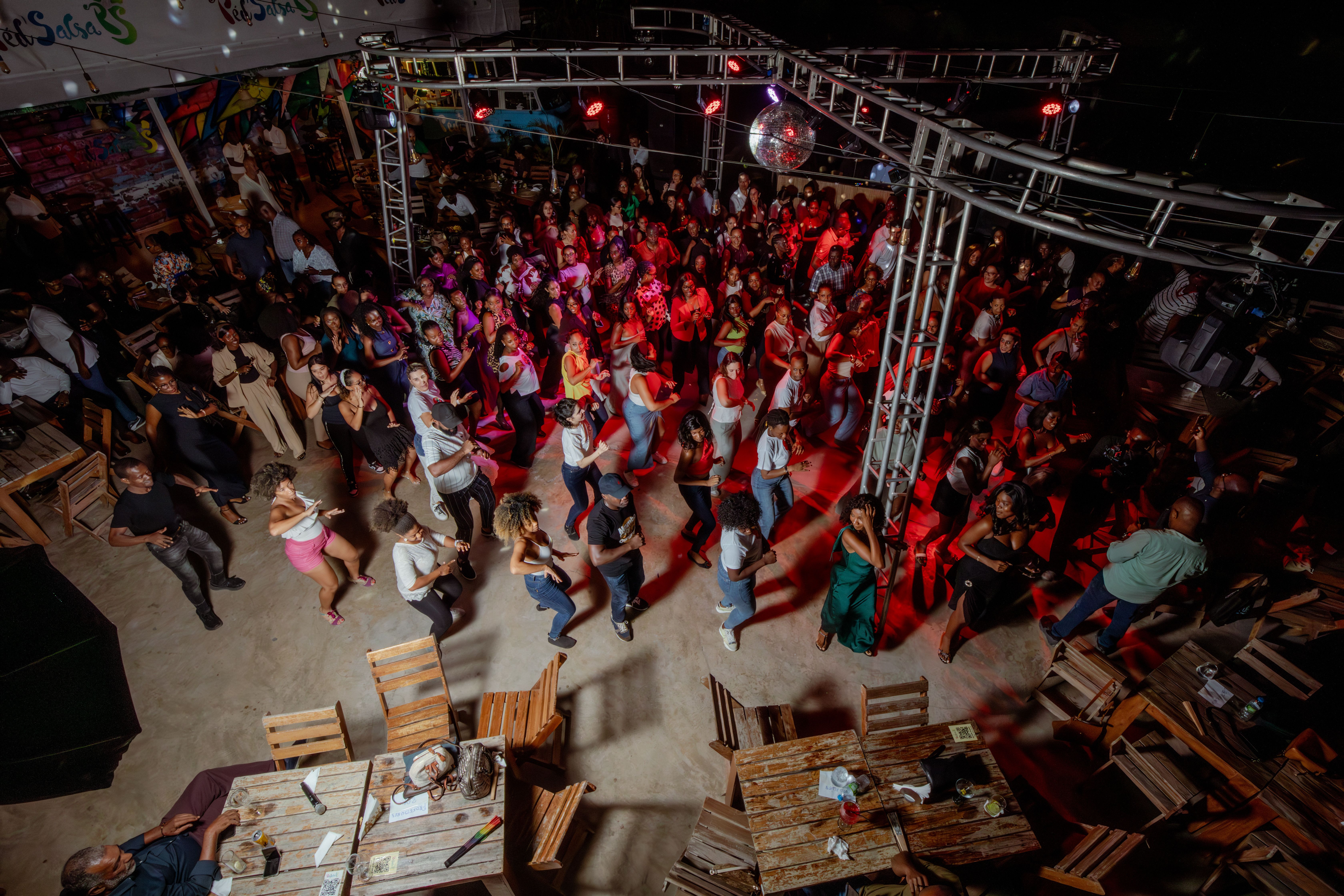
Dive into the future of live music! Discover how AI, VR, and AR are creating mind-blowing immersive concert experiences, and explore the best hybrid event platforms and VR headsets for securing your tickets to the most unforgettable shows of 2026. Optimize your concert booking with our expert comparison and money-generating insights into event technology, virtual concerts, and personalized fan engagement.
Introduction to the Topic
Welcome to 2026, where the symphony of innovation meets the rhythm of live music. The concert experience as we knew it a few years ago has undergone a seismic shift, transforming from a purely physical gathering to a multi-dimensional spectacle. Thanks to rapid advancements in Artificial Intelligence (AI), Virtual Reality (VR), and Augmented Reality (AR), coupled with the ubiquitous rise of hybrid event models, attending a concert now means choosing your own adventure. Are you craving the visceral thump of bass in a packed stadium, or would you prefer a front-row seat to a holographic performance from the comfort of your living room, complete with interactive elements? This isn't science fiction; it's the new reality of live entertainment, and it's redefining fan engagement, accessibility, and artistic expression. As editors at aabrakadaabra.com, we've witnessed this evolution firsthand, and we're here to guide you through the dazzling landscape of 2026's concert scene. Get ready to explore the platforms, technologies, and trends that are not just enhancing, but revolutionizing, how we experience our favorite artists and events.
Backgrounds & Facts
The seeds of this revolution were sown in the early 2020s, a period that accelerated the adoption of digital alternatives for live events. What began as a necessity quickly evolved into an opportunity, pushing event organizers and artists to embrace technology like never before. By 2026, these once-novel concepts have matured into sophisticated, mainstream offerings. AI now powers everything from dynamic stage designs that react to audience energy in real-time to personalized setlists curated based on individual fan data collected from previous interactions. Imagine an AI learning your favorite deep cuts and subtly influencing the encore – it's happening.
VR concerts, once clunky and niche, have achieved remarkable fidelity. Platforms now offer photorealistic virtual venues, 360-degree immersive views, and even the ability to interact with other avatars in a shared digital space. Major artists are regularly launching VR-exclusive performances, attracting millions globally who might never have had the chance to attend a physical show. The revenue generated from virtual tickets and exclusive digital merchandise has become a significant stream for the music industry, democratizing access and expanding fan bases beyond geographical limits.
Augmented Reality (AR), meanwhile, has seamlessly integrated into physical events, overlaying digital information and artistic elements onto the real world. Attendees at festivals can use their smartphones or AR glasses to see interactive art installations, navigate complex venues with digital signposts, or even witness their favorite band's mascot dancing alongside them. Hybrid events, combining a physical attendance with a robust virtual component, are now the gold standard for any major tour or festival. This dual approach maximizes reach, offers flexible pricing tiers, and caters to diverse fan preferences, proving that the future of concerts is not about choosing between physical or digital, but embracing both.
Expert Opinion / Analysis
"The concert experience of 2026 is fundamentally about choice and hyper-personalization," explains Dr. Elara Vance, a leading futurist in immersive technologies and CEO of 'SyncSound Innovations'. "We've moved beyond simply streaming a live show. Today, AI isn't just a tool for logistics; it's an artistic collaborator, creating responsive environments and tailoring experiences down to the individual fan. VR isn't just a video feed; it's a social space, a canvas for entirely new forms of performance art that defy physical limitations."
Dr. Vance emphasizes the profound impact on artist-fan relationships. "Artists are no longer confined by the stage. They can engage with fans in virtual meet-and-greets, collaborate on interactive projects, and even co-create music in real-time with their digital audience. This level of engagement fosters deeper loyalty and opens up unprecedented creative avenues." She points out that the financial implications are equally significant. "New revenue models from NFT tickets, digital collectibles, and tiered virtual access are revitalizing the industry. However, the challenge lies in ensuring equitable access and preventing a digital divide. High-quality VR hardware and stable internet remain barriers for some, which event organizers and tech providers are actively working to address through localized VR hubs and subsidized access programs."
The integration of haptic feedback suits and advanced spatial audio also means that the sensory experience in VR is nearing that of a physical event, creating a truly 'phygital' reality. "The goal isn't to replace the raw energy of a live crowd, but to augment it and offer parallel, equally compelling experiences," Dr. Vance concludes. "The future is bright for both the mosh pit enthusiast and the metaverse explorer."
💰 Best Options in Comparison (VERY IMPORTANT)
Navigating the cutting-edge landscape of 2026's concert scene requires understanding the best platforms and tools available. Whether you're looking to book tickets for a hybrid festival or immerse yourself in a virtual spectacle, here are our top recommendations to optimize your concert experience and ensure you don't miss out on the action.
- MetaVerse Live (MVL): The premier destination for exclusive VR-only concerts and interactive artist residencies. Known for its high-fidelity graphics and avatar customization.
- EventFlow Global: A comprehensive hybrid ticketing and experience platform, perfect for booking both physical and virtual passes to major festivals and tours. Offers seamless integration with AR apps for on-site enhancements.
- VirtuView 5000 Headset: Often hailed as the 'gold standard' for VR concert immersion. Features ultra-high resolution, advanced haptic feedback, and spatial audio designed specifically for live entertainment.
- SonicSphere XR: An emerging platform specializing in AR-enhanced concerts. Provides unique 'digital layers' for real-world events, allowing attendees to see holographic projections or interactive art through their AR glasses or smartphone.
- TicketMaster Connect: The trusted giant, now with robust hybrid event support. Offers dynamic pricing for virtual tickets, exclusive pre-sales for premium members, and integrated AI recommendations based on your listening habits.
To help you make the best choice, here's a detailed comparison:
| Platform/Product | Best For | Key Features | Price Range / Model | User Experience |
|---|---|---|---|---|
| MetaVerse Live (MVL) | VR-Exclusive Concerts, Immersive Experiences | Photorealistic avatars, interactive environments, multi-angle views, exclusive artist content, social VR spaces. | Subscription tiers ($19.99/month for Premium), per-event VR tickets ($25-$100+). | Seamless, high-quality immersion; requires a good VR headset. |
| EventFlow Global | Hybrid Event Ticketing & Management, Festival Access | Unified physical & virtual ticketing, AR app integration, post-event content access, global event listings. | Ticket fees (typically 5-10% of ticket price), no direct subscription for users. | User-friendly booking, reliable ticket delivery, good for discovering major events. |
| VirtuView 5000 Headset | Premium VR Concert Viewing, Haptic Feedback | 8K resolution per eye, directional haptic feedback, custom concert audio profiles, comfortable design. | ~$1,200 - $1,500 (one-time purchase). | Unmatched visual and sensory immersion; higher upfront cost. |
| SonicSphere XR | AR-Enhanced Physical Concerts, Interactive Visuals | Location-based AR overlays, real-time holographic projections, interactive fan challenges, digital collectible unlocks. | Free app download, in-app purchases for premium AR content ($5-$20 per event). | Enhances physical events, easy to use with smartphone/AR glasses. |
| TicketMaster Connect | Traditional & Hybrid Event Booking, AI Recommendations | Extensive event listings, AI-driven personalized recommendations, secure secondary market, fan support. | Ticket fees (variable), 'FanPass+' subscription for early access ($9.99/month). | Reliable, vast selection, good for discovering popular and niche events. |
Outlook & Trends
Looking ahead, the evolution of concerts in 2026 and beyond promises even more astounding innovations. We anticipate the widespread adoption of haptic feedback suits that allow virtual attendees to 'feel' the vibrations of the bass and the energy of the crowd, bridging the sensory gap between physical and digital. AI will become even more sophisticated, potentially generating entire virtual opening acts or creating dynamic, personalized narratives within a concert experience. Imagine an AI character interacting with you directly during a show, guiding you through a personalized storyline.
The metaverse will continue to mature as a viable concert venue, with persistent digital worlds hosting multi-day festivals and offering unique, artist-owned virtual real estate for fan experiences. Blockchain technology, particularly NFT ticketing, is set to revolutionize ownership, resale transparency, and fan loyalty programs, offering verifiable digital assets tied to concert attendance and exclusive content.
Sustainability will also drive innovation. Event organizers are increasingly using AI to optimize logistics, reduce waste, and manage energy consumption for physical events, while the growth of virtual alternatives inherently lowers the carbon footprint associated with travel. The next frontier will likely involve hyper-realistic digital twins of artists performing simultaneously across multiple real and virtual venues, blurring the lines of presence and performance like never before. The future promises a truly global, accessible, and endlessly creative concert universe.
Conclusion
The year 2026 marks a pivotal moment in the history of live music. The integration of AI, VR, AR, and hybrid event models has not just enhanced the concert experience; it has fundamentally redefined it. From hyper-personalized setlists and photorealistic virtual venues to interactive AR overlays at your favorite festival, the options for engaging with music are richer and more diverse than ever before. We encourage you to explore these incredible technologies, compare the platforms, and invest in the experiences that resonate most with you. Whether you choose the unparalleled immersion of a premium VR headset or the seamless convenience of a hybrid ticketing platform, the future of concerts is here, and it's waiting for you to plug in, tune in, and rock out. Don't just attend a concert in 2026 – experience the revolution!