
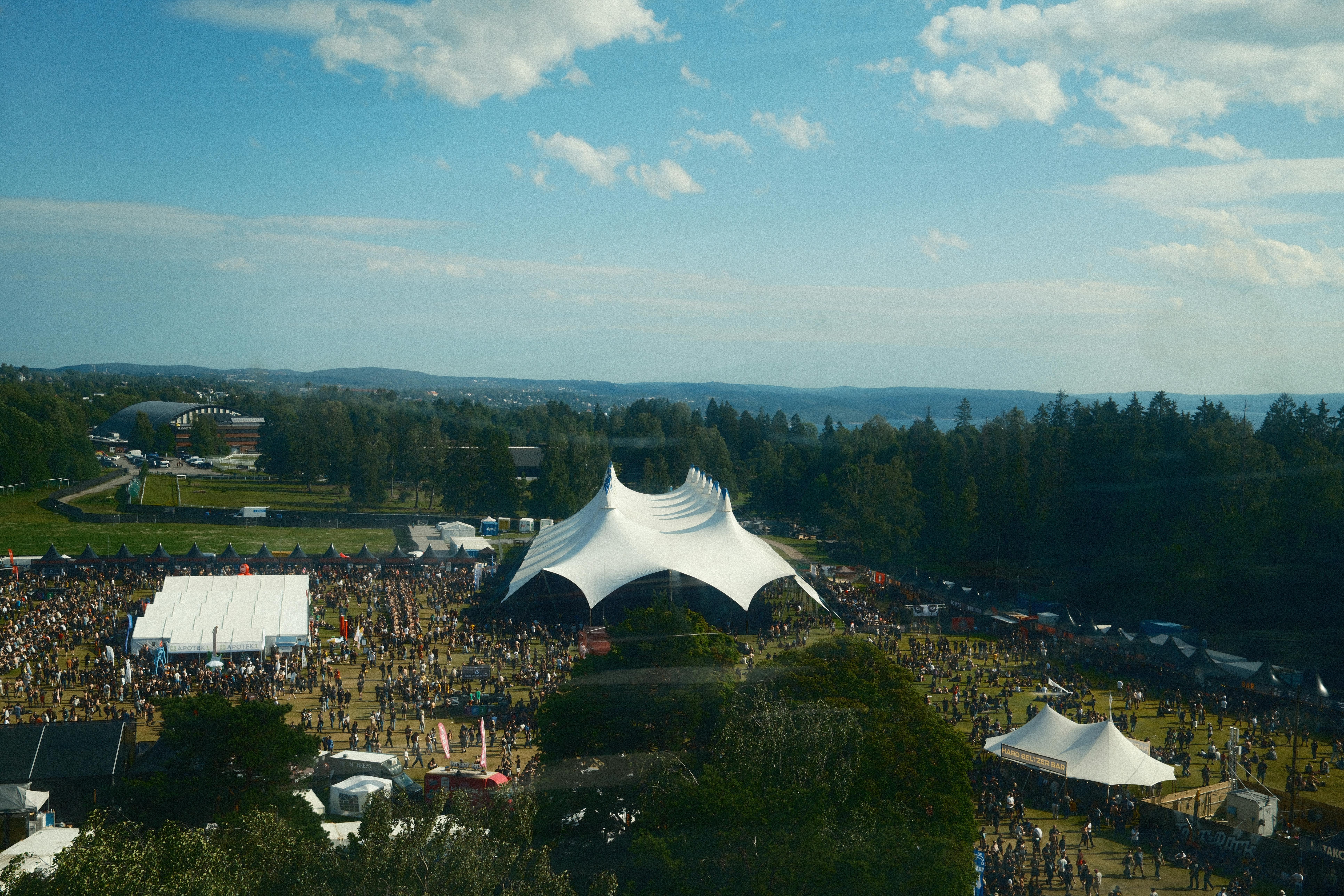
State and county fairs across the country announce their grandstand lineups in spring, but the negotiations behind them happen in winter. The timing is dictated by competition for a small pool of available acts.
Fairs bid against the whole summer circuit
A fair needs an act on a specific date that cannot move, because the fair's own run is fixed by its lease, its livestock schedule and its permits.
Arenas and casinos, by contrast, can flex a date by a week. That flexibility makes them easier partners, so fairs have to commit earlier to secure anyone.
Booking agents build summer routes over the winter, and a fair that has not made an offer by then is choosing from what is left after the routing is set.
The ticket model is unusual
Many fairs bundle grandstand admission with gate admission or sell it at a price well below a comparable club or arena ticket, treating the concert as an attendance driver.
That means the show is not expected to pay for itself in ticket revenue alone. It pays through food, midway rides, parking and vendor fees across the whole day.
Because the payoff is spread across the fair, the booking decision is made by people thinking about total gate rather than about a single night's box office.
Sponsorship has to be sold first
Grandstand nights typically carry a title sponsor, and those agreements are negotiated in the same winter window as the talent. Neither side wants to commit blind.
A sponsor wants to know who is playing; the fair wants to know the sponsorship money exists before guaranteeing an act's fee. The two conversations happen in parallel.
When they resolve, the announcement follows quickly, which is why several fairs often reveal lineups within the same few weeks each spring.
Production is limited by the grounds
A grandstand stage sits on a racetrack or an open field with power, rigging and load-in constraints that a purpose-built venue does not have.
Acts touring a large production either scale it down for fair dates or skip them, and that decision shapes which names appear on fair posters at all.
The recurring presence of certain genres on fair stages reflects this practicality as much as regional taste. Some shows travel well onto a dirt track and some do not.
Weather policy is written into the deal
Because the venue is open air and the date cannot move, contracts specify who absorbs the loss if a storm shortens or cancels the performance.
Fairs generally cannot reschedule, since the grounds revert to other uses the following week and the act has moved on down its route.
That inflexibility is the fair's central booking problem, and it explains the long lead time better than any single factor. Certainty has to be purchased early.