
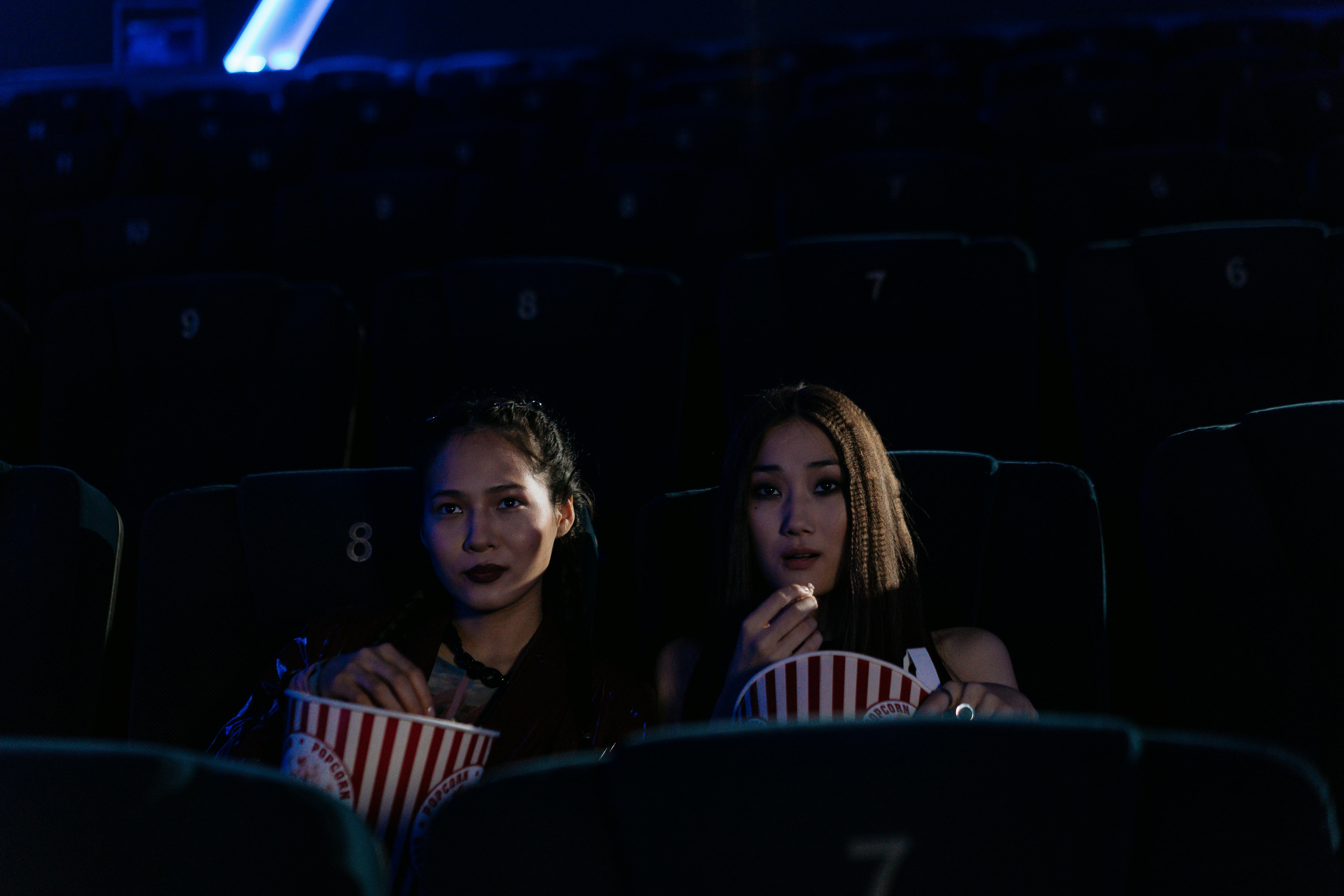
Complaints that a scene was too dark to follow have become routine. Several independent changes each darken the image slightly, and they accumulate before it reaches a viewer.
Sensors removed the need to light
Digital cameras can record usable images at light levels that film stock could not, which made shooting by available light practical.
Cinematographers use this deliberately, since a scene lit only by a lamp in the room looks more plausible than one lit to be visible.
The image on a calibrated monitor at the time of shooting is legible, and that is the image the decision was made against.
Sensors also capture far more information than any display can show, so a shot that looks empty on set can be recovered later, which encourages shooting darker in the first place.
Grading pushes the shadows further
Colour grading after shooting sets the final contrast, and current preferences favour deep shadows with detail retained rather than lifted.
That look reads as serious and as cinematic, and it has spread across drama to the point of being a default.
Retaining detail in shadows requires the whole chain to preserve it, and the grade is the last point at which everything is still intact.
Mastering targets a display nobody owns
The final version is approved on a reference monitor in a controlled room, capable of far greater contrast than a domestic television.
Consumer displays vary enormously, and most apply their own processing that alters what was approved.
A scene graded to sit just above black on a reference display can fall below what a typical screen can distinguish at all.
Compression damages dark scenes most
Streaming compresses video to a bandwidth budget, and dark areas containing subtle gradations are expensive to encode accurately.
The encoder simplifies them, which produces banding and blocks where smooth shadow detail existed.
A connection that drops to a lower quality level makes this considerably worse, and the scenes affected first are the ones already hardest to read.
The room finishes the job
Cinemas are dark and their screens are calibrated, which is the environment the grade assumed.
Domestic viewing happens with lamps on, windows uncovered and reflections on the screen, all of which raise the level at which shadow detail becomes invisible.
The image is not being reproduced incorrectly at any single stage, which is why the problem persists: each step is defensible and the accumulated result is a scene nobody can see.